Good pet care does not have to be complicated. In fact, the pets with the longest, happiest lives are usually the ones whose owners simply nail the basics — day after day, year after year. You do not need expensive gadgets or a degree in animal science. You need a simple routine that covers food, water, exercise, grooming, and health, repeated with love.
This guide breaks pet care down into easy daily, weekly, and monthly habits. Follow them, and you will catch small problems before they become big ones, keep your pet comfortable in its own skin, and build a deeper bond along the way. Whether you have a dog, a cat, or a smaller companion, these fundamentals apply.
Build a Daily Care Routine That Sticks
The secret to great pet care is rhythm. Animals thrive on predictability, and a simple daily routine makes sure nothing important slips through the cracks. A solid day looks like this: fresh water and breakfast in the morning, a bathroom break or litter box scoop, some active play or a walk, a calm midday check, dinner at a consistent time, and a few minutes of affectionate wind-down before bed.
Tie pet tasks to things you already do. Scoop the litter box while your coffee brews. Do a quick brush while dinner simmers. Walk the dog right after your own morning stretch. Habit-stacking like this turns pet care from a chore list into a natural part of your day. Keep a small notebook or phone reminder for the first few weeks until the routine becomes automatic — after that, you and your pet will both feel off when it does not happen.
Feed Right: Nutrition Basics for a Healthy Pet
Food is the single biggest lever you have over your pet’s long-term health. Choose a complete, balanced diet formulated for your pet’s species and life stage — puppy, adult, or senior formulas exist for a reason, because nutritional needs change with age. Look for products that meet established nutritional standards (such as AAFCO in the US) rather than choosing by packaging or price alone.
Portion Control Matters More Than You Think
Overfeeding is the most common nutrition mistake pet owners make. Follow the feeding guide on the package as a starting point, then adjust based on your pet’s body condition — you should be able to feel (but not see) ribs on dogs and cats. Measure meals with a cup instead of eyeballing, and remember that treats, table scraps, and dental chews all count toward daily calories.
Foods to Keep Away From Pets
Keep a short mental list of dangerous foods: chocolate, grapes and raisins, onions, garlic, macadamia nuts, alcohol, caffeine, and anything sweetened with xylitol are toxic to dogs and cats. Cooked bones can splinter and damage the digestive tract. When in doubt, skip the handout — a crunchy carrot or apple slice (no seeds) makes a safer treat.
Water, Exercise, and Bathroom Habits
Fresh water every day is non-negotiable — dump, rinse, and refill bowls daily, and wash them with soap weekly. Place water away from food bowls if your pet prefers it (many cats do), and consider a second water station in multi-level homes so older pets do not have to climb stairs to drink.
Exercise needs vary enormously: a border collie and a senior bulldog live in different universes. As a rule, dogs need 30–60 minutes of real activity daily, cats need two or three short intense play sessions, and small pets need safe out-of-enclosure exploration time. Watch your pet’s weight and energy — gradual weight gain or restlessness usually means the routine needs adjusting. For bathroom habits, dogs do best with regular outdoor breaks (first thing in the morning, after meals, before bed), while litter boxes should be scooped daily and fully changed weekly, with one box per cat plus one extra.
Weekly Grooming: Skin, Coat, Nails, and Ears
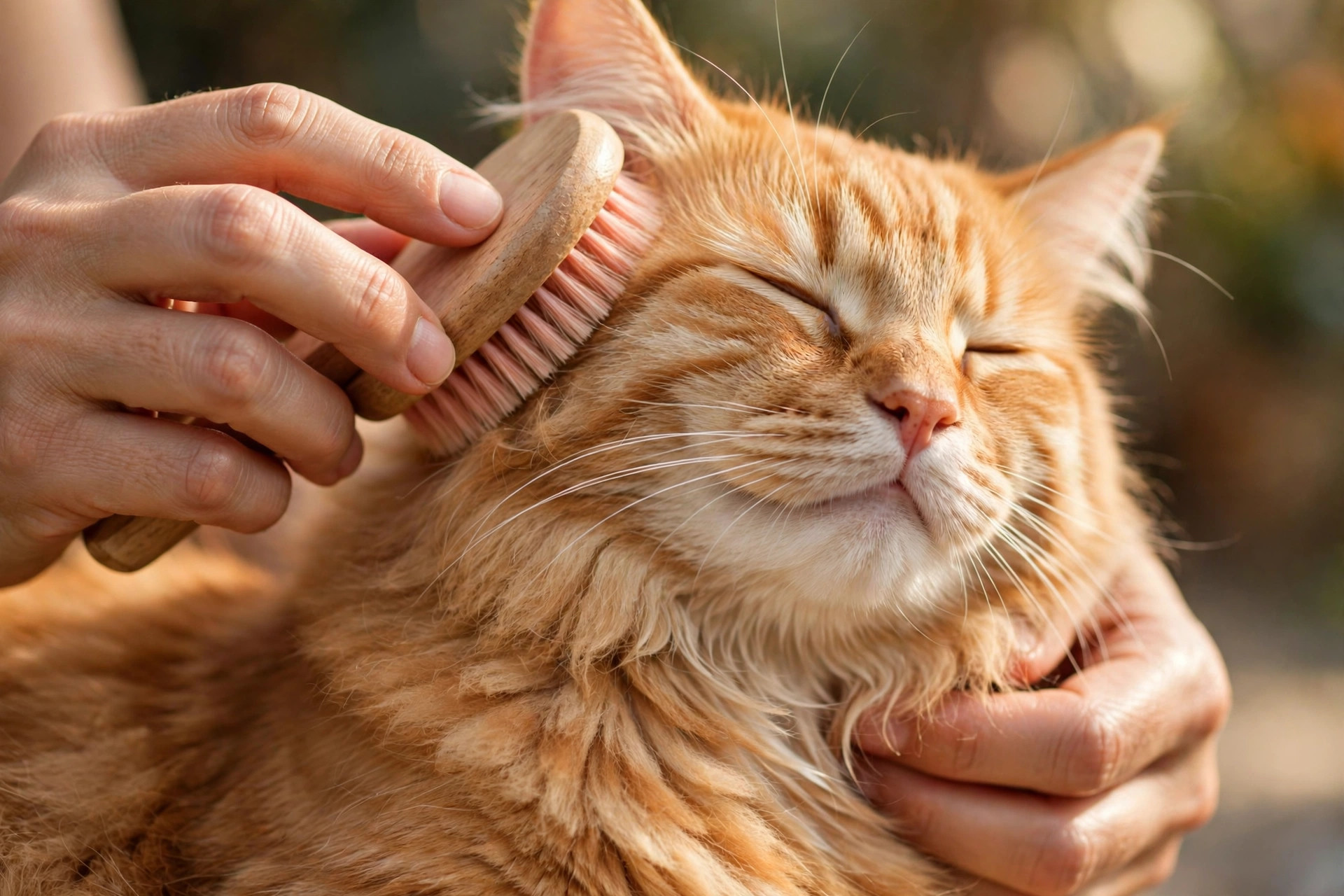
A weekly grooming session is part hygiene, part health check. Brushing removes loose fur, prevents mats, distributes natural oils, and — just as importantly — gives you a hands-on tour of your pet’s body. You will notice lumps, ticks, hot spots, or sore areas weeks before they would otherwise be found.
- Brushing: short coats weekly, long coats every day or two. Use the right tool — a slicker brush for long hair, a rubber curry for short coats.
- Nails: trim every 2–3 weeks. If you hear clicking on hard floors, they are overdue. Cut only the tip to avoid the quick, and keep styptic powder handy.
- Ears: check weekly for redness, odor, or dark buildup, which can signal infection. Clean gently with a vet-approved ear cleaner — never insert cotton swabs deep into the canal.
- Teeth: aim for brushing a few times a week with pet toothpaste. Dental treats and chews help, but nothing replaces the brush.
Keep sessions short and positive, ending with a treat. If your pet panics, go slower — groom one paw today, another tomorrow. Patience now builds a lifetime of easy grooming.
Stay on Top of Vet Care and Preventives
Your veterinarian is your most important partner in pet care. Annual checkups (twice yearly for seniors) catch problems early, when they are cheapest and easiest to treat. Keep vaccinations current according to your vet’s schedule — core vaccines protect against serious, often fatal diseases.
Do not skip parasite prevention. Fleas, ticks, heartworm, and intestinal worms are miserable for pets and some can affect humans too. Use year-round preventives as your vet recommends — stopping in winter is a common mistake, since parasites survive indoors. Spaying or neutering, unless you are working with a responsible breeder, prevents health problems and unwanted litters. And keep a simple pet first-aid kit at home: gauze, antiseptic wipes, tweezers, a digital thermometer, and your vet’s emergency number on the fridge.
Mental Health: Enrichment Is Not Optional
Pets need mental exercise as much as physical. A dog walked for an hour but given nothing to think about can still be bored and destructive. Rotate toys every week or two, use puzzle feeders for meals, teach a new trick monthly (even old pets love learning), and give cats window perches, scratching posts, and cardboard boxes — the humble box remains the greatest cat toy ever invented.
Social needs matter too. Dogs are social animals that need interaction with you and, ideally, friendly members of their own species. Cats vary — some adore company, others prefer parallel companionship — but all benefit from daily interactive play. Loneliness shows up as excessive sleeping, overeating, or attention-seeking behavior. If your schedule is packed, even fifteen focused minutes of play beats an hour of distracted presence.
Frequently Asked Questions
How often should I take my pet to the vet?
Healthy adult dogs and cats should see the vet once a year for a full checkup, vaccinations, and bloodwork as recommended. Puppies and kittens need a series of visits in their first months. Senior pets (around age 7 and up, depending on size and species) benefit from twice-yearly visits, since age-related conditions develop quickly.
What are the signs my pet needs veterinary attention soon?
Do not wait on these: refusal to eat for more than 24 hours, repeated vomiting or diarrhea, difficulty breathing, limping or sudden pain, straining to urinate, extreme lethargy, or any sudden behavior change. Pets instinctively hide illness, so subtle shifts — drinking much more water, sleeping in unusual spots — deserve a call to your vet.
Can I make homemade food for my pet instead of commercial food?
You can, but it is harder to get right than most people expect. Pets need precise balances of protein, fat, vitamins, and minerals, and most homemade recipes found online are nutritionally incomplete. If you want to home-cook, work with your vet or a veterinary nutritionist to formulate a balanced recipe — and never feed an all-meat or all-vegetable diet without professional guidance.
How do I start a routine with a newly adopted pet?
Keep the first two weeks calm and simple: same feeding times, same walking route, a quiet resting spot, and gentle, short interactions. Let the pet come to you rather than forcing affection. Once they learn the daily rhythm — usually within a couple of weeks — their real personality starts to shine, and you can gradually add training, outings, and new experiences.
Simple, consistent care is the greatest gift you can give your pet. You do not need to be perfect — you just need to show up every day with fresh water, good food, a little play, and a watchful eye. Do that, and you will enjoy more healthy years together than any fancy product could ever promise.