Nothing transforms a home quite like living greenery. Plants soften hard corners, clean the air, lift your mood, and make any room feel cared for and alive. You do not need a greenhouse, a sunny conservatory, or even much of a green thumb — you just need the right plants for your space and lifestyle.
Whether you are a first-time plant parent or looking to expand your indoor jungle, this guide covers the best, most rewarding houseplants for real homes. We will look at nearly indestructible options for beginners, statement plants for style, pet-safe choices for animal households, and the simple care habits that keep everything thriving.
Start Here: The Easiest Plants for Beginners
If you have ever watched a houseplant slowly give up on you, start with the forgiving classics. These plants tolerate missed waterings, low light, and general neglect while still looking great — perfect for building confidence.
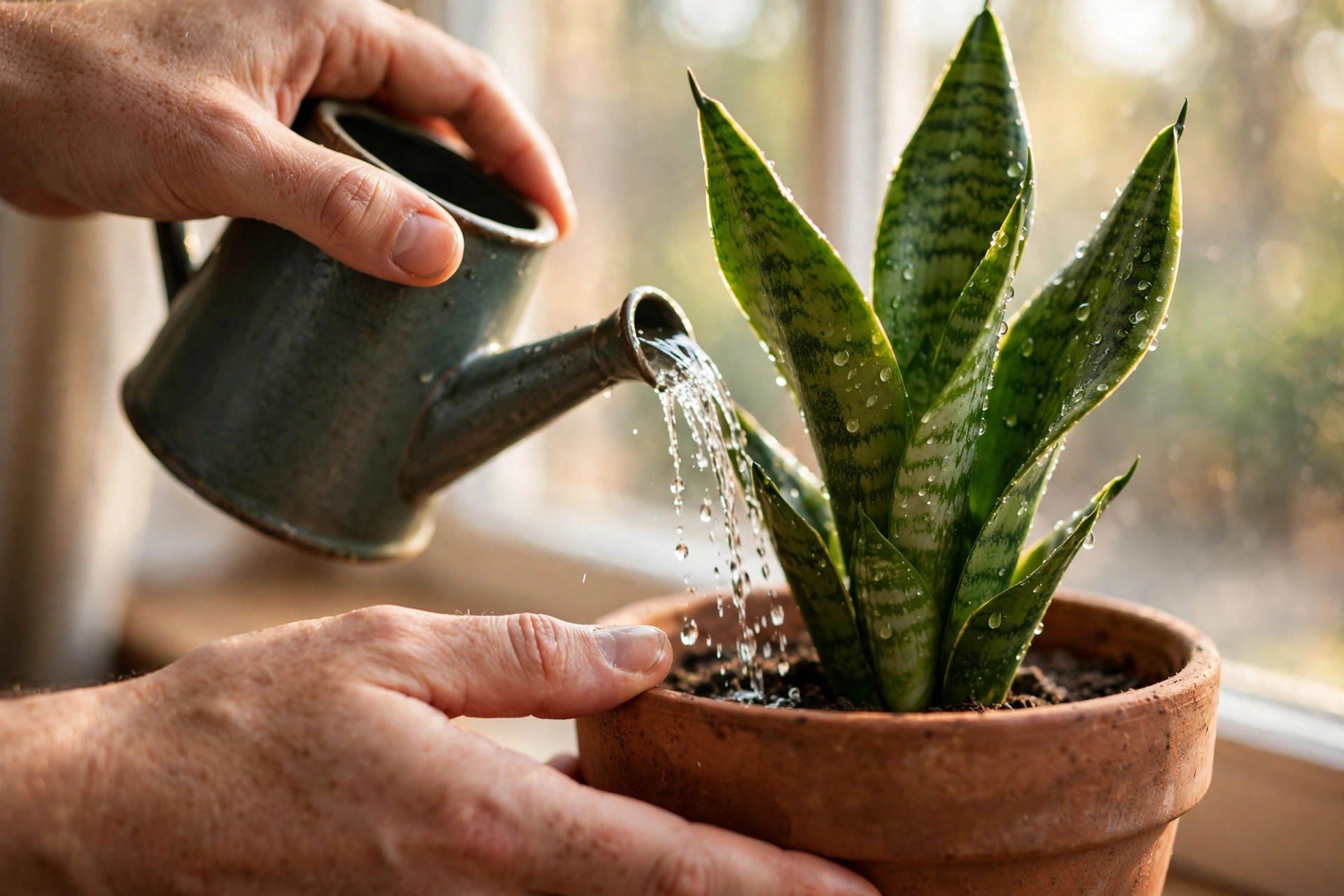
- Snake plant (Sansevieria): the undisputed champion of low-maintenance. It survives low light, needs water only every few weeks, and its upright sculptural leaves suit modern decor beautifully.
- ZZ plant: glossy, deep-green leaves on arching stems. It stores water in its rhizomes, so it forgives forgetful owners for weeks at a time.
- Pothos: trailing vines that grow almost anywhere. Snip a stem, pop it in water, and you have a free new plant — endlessly shareable with friends.
- Spider plant: cheerful arching leaves and baby “spiderettes” that dangle like ornaments. Non-toxic to pets, too.
Begin with two or three of these. Learn their rhythms — how the soil feels when they are thirsty, how they lean toward light — and you will have the instincts to keep fussier plants alive later.
Match the Plant to Your Light
Light is the number-one factor in plant happiness, and most plant problems are really light problems in disguise. Before buying, observe your rooms for a day. South-facing windows give bright direct sun, east and west give gentle morning or afternoon light, and north-facing windows (or rooms far from windows) are low light.
Bright Light Lovers
Sunny sills suit succulents, jade plants, aloe vera, and the dramatic fiddle-leaf fig. These plants want several hours of direct or very bright indirect sun. Rotate them a quarter turn each week so they grow evenly instead of leaning.
Low Light Survivors
For darker corners, choose snake plants, ZZ plants, pothos, and peace lilies (note: peace lilies are toxic to pets). No plant truly thrives in zero light, but these will hold their own where others fade. A small grow bulb in a regular lamp can also rescue a dim corner for a few dollars.
Statement Plants That Transform a Room
Sometimes one bold plant does more than a dozen small ones. A large plant anchors a room the way a piece of art does — it draws the eye, fills an awkward empty corner, and instantly makes a space feel designed.
The fiddle-leaf fig remains the icon: big violin-shaped leaves on a tree-like trunk, happiest in bright indirect light with consistent watering. The bird of paradise brings drama with huge banana-like leaves and a tropical feel. A tall dracaena or parlor palm adds graceful height to a hallway. And the monstera deliciosa, with its split leaves, is both a style statement and one of the more forgiving large plants. Give statement plants room to breathe — crowding them against furniture ruins the effect and blocks airflow.
Pet-Safe Plants for Animal Households
If you share your home with cats or dogs, plant choice matters — many popular houseplants are toxic when chewed. The good news: plenty of beautiful options are safe.
- Spider plant — safe, trailing, and endlessly entertaining for cats to bat at.
- Boston fern — lush and full, loves humidity; great for bathrooms.
- Parlor palm — elegant, compact, and completely pet-friendly.
- Calathea (prayer plant) — stunning patterned leaves that fold up at night; safe and striking.
- African violet — compact flowering color for sills; non-toxic.
Keep even safe plants partly out of reach if your cat treats every leaf as a salad bar — hanging planters and high shelves protect both the plant and the pet. When in doubt about a plant’s safety, check a reliable toxicity database before bringing it home.
Simple Care Habits That Keep Plants Alive
Most houseplants die from too much love — overwatering — rather than neglect. Learn the finger test: push your finger an inch into the soil. Dry? Water thoroughly until it drains from the bottom. Still damp? Wait. Empty saucers after watering so roots never sit in water.
Beyond water, three habits make the difference. Dust the leaves monthly with a damp cloth — dusty leaves photosynthesize poorly. Feed lightly in spring and summer with a balanced houseplant fertilizer at half strength; most plants rest in winter and need no food. And repot when roots circle the bottom of the pot, moving up just one pot size — too big a pot holds too much wet soil. Finally, quarantine new plants for a week or two away from your collection to make sure they did not bring pests along.
Styling Plants in Your Home
Plants are decor, so style them like it. Group plants in odd numbers — threes and fives look natural — varying heights for a layered effect: tall floor plant behind, medium plant on a stool, small trailing plant on a shelf above. Mix pot materials (terracotta, ceramic, woven baskets) but repeat one or two colors to keep it cohesive.
Use plants to solve design problems: a tall plant softens a bare corner, trailing pothos draws the eye up a blank wall, and a row of small succulents turns a cluttered sill into a curated display. In kitchens, herbs like basil, mint, and rosemary are both beautiful and useful. In bathrooms, humidity-lovers like ferns and calatheas thrive where other plants struggle. The goal is integration — plants should feel like they belong in the room, not like visitors.
Frequently Asked Questions
How often should I water my houseplants?
There is no universal schedule — it depends on the plant, pot size, soil, light, and season. The finger test beats any calendar: water when the top inch or two of soil is dry. Most common houseplants want a thorough soaking followed by a drying-out period. When in doubt, underwater slightly; most plants recover from dryness far better than from rot.
Why are my plant’s leaves turning yellow?
Yellow leaves most often mean overwatering, but they can also signal underwatering, low light, nutrient deficiency, or natural aging of lower leaves. Check the soil first — soggy soil points to too much water; bone-dry soil to too little. If watering seems right, consider light levels and whether the plant is due for fertilizer during the growing season.
Are houseplants really good for air quality?
Plants do filter certain airborne compounds, but you would need a small jungle — dozens of plants — to measurably change a room’s air. Their real, proven benefits are psychological: studies consistently show that indoor plants reduce stress, improve mood, and even boost focus and productivity. Buy them for how they make you feel, which is reason enough.
What should I do about gnats or pests on my plants?
Fungus gnats usually mean the soil stays too wet — let it dry out more between waterings and they often vanish. For spider mites or mealybugs, isolate the plant, wipe leaves with diluted insecticidal soap or neem oil, and repeat weekly until clear. Catching pests early, during your regular leaf-dusting, keeps small problems from becoming infestations.
Start small, observe often, and let your plants teach you. A home with thriving greenery is not the result of a green thumb — it is the result of paying attention, one watering at a time.
Bringing plants into your home is one of the simplest upgrades you can make. They ask for so little — a bit of light, a drink when thirsty — and give back so much: cleaner-feeling air, calmer rooms, and a daily reminder that living things flourish with just a little consistent care. Pick one beginner plant this week, find it a good spot, and watch what happens. Chances are, it will not stay your only one for long.