Pets are family. Whether you share your home with a bouncy dog, a sleepy cat, a chirpy bird, or a curious rabbit, the space you live in shapes how happy and healthy they feel every single day. A happy pet is not just a well-fed pet — it is a pet that feels safe, comfortable, entertained, and loved in the place it calls home.
The good news is that you do not need a big house or an expensive renovation to make your home wonderful for your animals. Small, thoughtful changes — a cozy corner here, a safer cabinet there, a few minutes of play built into your routine — add up to a home where your pets truly thrive. This guide walks you through practical, affordable ways to turn any living space into a happy home for your pets.
Create a Safe, Pet-Proof Home First
Before anything else, look at your home through your pet’s eyes. Get down to their level — literally crouch on the floor — and notice what they can reach, chew, knock over, or squeeze behind. Puppies chew, cats climb, rabbits gnaw, and birds are startled by sudden movement. Pet-proofing is the foundation of a happy pet home.
Secure Everyday Hazards
Many common household items are dangerous for animals. Cleaning products, medications, and certain foods should live in closed cabinets with childproof latches. Chocolate, grapes, raisins, onions, garlic, and xylitol (found in some sugar-free gum and peanut butter) are toxic to dogs and cats. Houseplants like lilies, philodendron, and sago palm can be poisonous too — either move them out of reach or swap them for pet-safe greenery.
Tidy Cords, Strings, and Small Objects
Electrical cords invite chewing, which can cause burns or shocks. Bundle cords with covers or run them behind furniture. Keep hair ties, rubber bands, buttons, and children’s small toys picked up — cats especially love batting these around and swallowing them, which can mean an emergency vet visit. A ten-minute tidy-up each evening prevents most of these scares.
Give Every Pet Their Own Cozy Spot
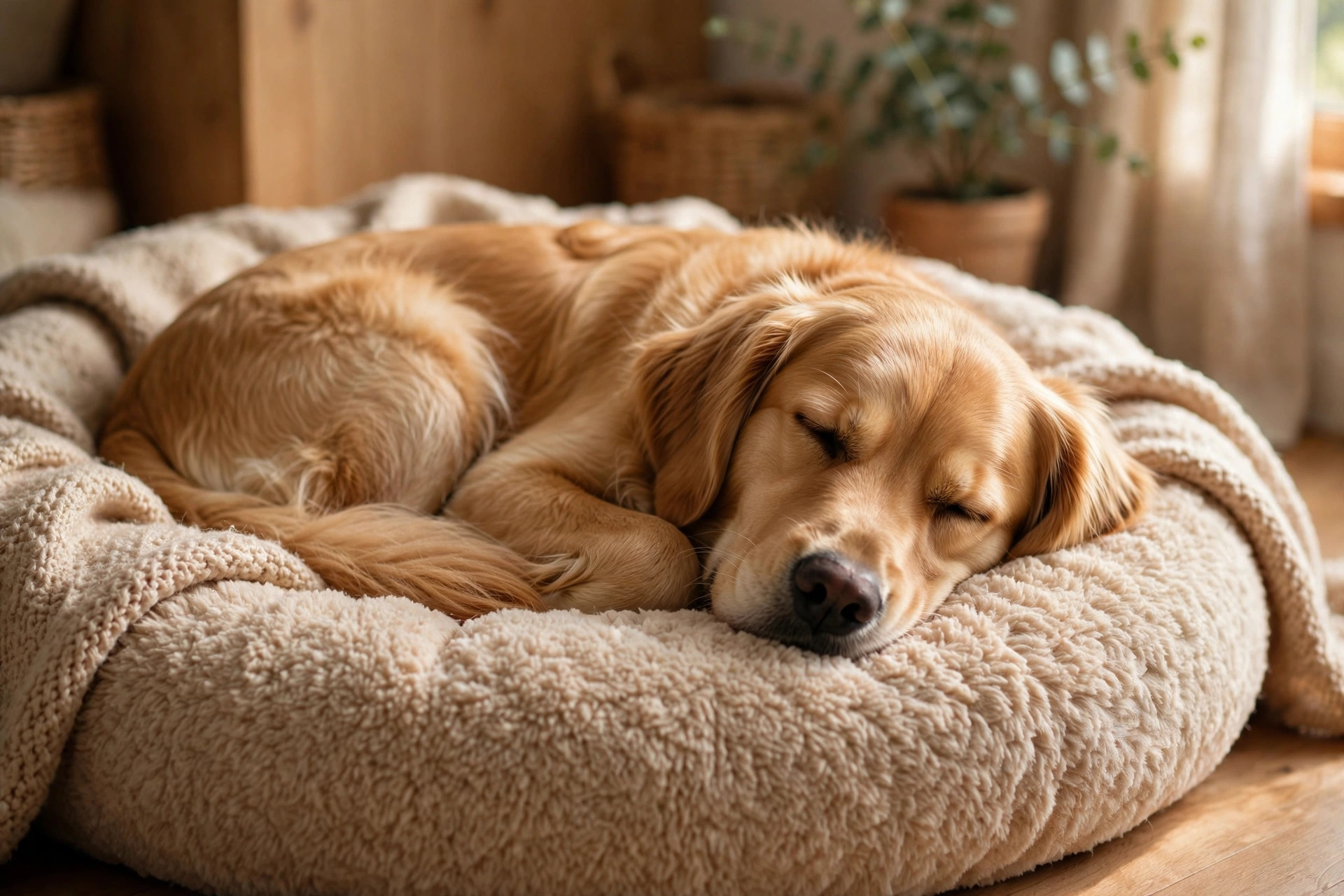
Every animal needs a place that is entirely theirs — a retreat where they can rest undisturbed. Dogs often love a crate with the door left open and a soft blanket inside, which feels like a den. Cats prefer elevated perches or enclosed nooks where they can observe the room while feeling hidden. Small animals like rabbits and guinea pigs need a hideout box inside their enclosure.
Place these rest spots in quieter parts of the home, away from the busiest walkways and loud appliances. Add a worn T-shirt that smells like you — your scent is deeply comforting to dogs and cats. Wash bedding regularly, but keep one familiar-smelling item unwashed so the spot always feels like theirs. If you have multiple pets, make sure each one has their own resting place so nobody has to compete for comfort.
Keep Fresh Water and Good Food Accessible
Happiness starts with the basics. Fresh, clean water should always be available — wash bowls daily, because slimy bowls discourage drinking and can harbor bacteria. Some cats prefer running water and drink far more from a pet water fountain, which is a small investment that pays off in better hydration and fewer urinary problems.
Feed a balanced diet suited to your pet’s species, age, and size, and keep mealtimes consistent. Dogs and cats do best with set feeding times rather than food sitting out all day, which helps with weight control and makes house training easier. Store food in sealed containers to keep it fresh and to keep clever noses out of the bag. And remember that treats should make up no more than about ten percent of daily calories — a chubby pet may look cute, but extra weight shortens lives.
Make Time for Play and Exercise Every Day
A bored pet is often a destructive or anxious pet. Daily play burns energy, builds your bond, and keeps minds sharp. Dogs generally need at least 30 minutes to an hour of activity — walks, fetch, tug games — adjusted for breed and age. A tired dog is a well-behaved dog, and the saying exists for a reason.
Cats need shorter, intense play sessions that mimic hunting: two or three 10-minute sessions with a wand toy each day works wonders. Rotate toys weekly so old ones feel new again. Puzzle feeders — toys that release kibble as your pet bats them around — turn mealtime into mental exercise for dogs, cats, and even rabbits. For birds, rotate perches and foraging toys; for small mammals, provide tunnels and safe chew toys. Ten focused minutes beats an hour of half-hearted attention.
Keep a Calm, Predictable Routine
Animals find comfort in predictability. Feeding, walks, playtime, and bedtime happening at roughly the same times each day lowers stress hormones and reduces behavior problems. This is especially true for newly adopted pets, who are still learning that your home is safe — a steady routine tells them what to expect and when.
That said, life is not perfectly scheduled, and pets are more adaptable than we think. Aim for consistency, not rigidity. If your schedule shifts, keep the order of events the same even if the times move a little. And build calm into the environment: a quiet household with gentle background sound (soft music or talk radio at low volume) is far more relaxing for pets left home alone than total silence punctuated by startling street noise.
Handle Grooming and Health Basics at Home
Regular grooming is about comfort as much as looks. Brush your dog or cat weekly (daily for long-haired breeds) to prevent painful mats and to check for lumps, ticks, or skin issues early. Trim nails every few weeks — overgrown nails change how pets walk and can cause joint pain. Clean ears gently and brush teeth with pet-safe toothpaste; dental disease is one of the most common and most preventable health problems in pets.
Pair grooming with treats and praise so it becomes a pleasant ritual rather than a wrestling match. Keep up with vaccinations, flea and tick prevention, and annual vet checkups — a healthy pet is a happy pet, and preventive care is always cheaper than emergency treatment. Watch for subtle changes in appetite, energy, or bathroom habits; pets hide illness instinctively, so small changes are worth a call to your vet.
Make Your Home Smell and Sound Right
Pets experience the world largely through nose and ears, and our homes can be overwhelming. Strongly scented candles, plug-in air fresheners, and harsh cleaning chemicals can irritate sensitive noses and even be toxic to birds and small animals. Choose unscented or pet-safe cleaning products, ventilate well, and skip the heavy fragrances.
Noise matters too. Sudden loud sounds — blenders, fireworks, thunderstorms — terrify many animals. Create a “safe room” or cozy den your pet can retreat to during noisy events, with familiar bedding and perhaps a calming chew or stuffed Kong. For ongoing anxiety, ask your vet about calming aids. A home that is gentle on the senses is a home where pets relax deeply.
Frequently Asked Questions
How do I know if my pet is truly happy at home?
Happy pets show it: relaxed body language, soft eyes, a wagging tail or upright tail, playful behavior, good appetite, and restful sleep. Dogs may do the “play bow,” cats knead and purr. Warning signs of unhappiness include hiding, destructive chewing, excessive licking, loss of appetite, or sudden aggression — all worth investigating.
Is it okay to leave my pet home alone during the workday?
Most adult dogs and cats handle a workday alone just fine if their needs are met before and after — exercise, food, water, bathroom, and enrichment like puzzle toys or a window perch. Puppies, kittens, and highly social breeds need more company; consider a midday dog walker or pet sitter. Never leave any pet alone for more than 8–10 hours regularly.
What is the single most important thing for a happy pet?
If we had to pick one, it would be your time and attention. No gadget replaces daily interaction. Consistent affection, play, and simply being present build the trust and security that make everything else — the cozy bed, the good food — truly meaningful to your animal.
How can I make a small apartment work for a pet?
Small spaces work beautifully with smart use of vertical space (cat shelves, window perches), regular outdoor exercise for dogs, and clutter-free floors for play. What matters far more than square footage is routine, enrichment, and love. Many apartment pets are happier than suburban pets who are ignored in a big backyard.
Creating a happy home for your pets is not about perfection — it is about paying attention. Notice what your animal loves, remove what stresses them, and share a little focused time every day. Do that consistently, and your home will be the place your pet feels safest in the whole world — which, when you think about it, is exactly what home should be.